
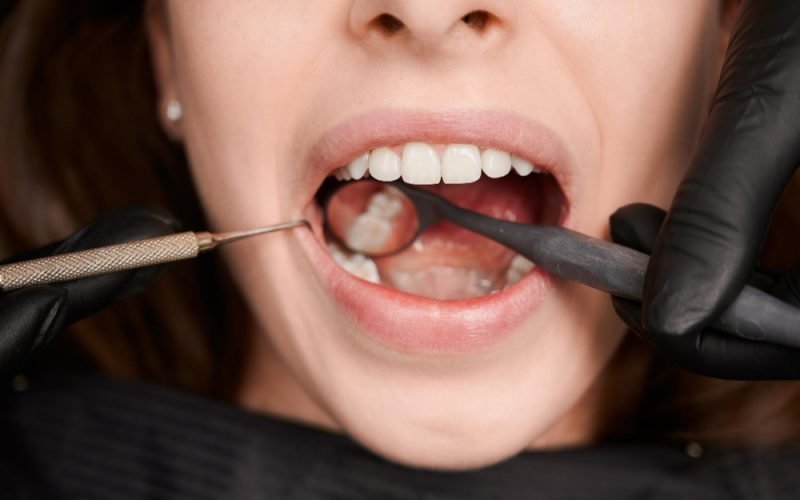
What Are Wisdom Teeth?
Wisdom teeth are the last set of molars in your mouth. Usually, they appear between ages 17 and 25. For some people, these teeth come in without problems. However, many people face issues because there is not enough space in the mouth. As a result, wisdom teeth can cause pain or crowd other teeth. Dentists often call these teeth “third molars.”
Common Problems Caused by Wisdom Teeth
Many people experience problems with wisdom teeth. For example, these teeth may not have enough room to grow. When this happens, they can become “impacted.” Impacted wisdom teeth may grow sideways or only partly break through the gums. This can lead to several issues, such as:
- Wisdom tooth pain or swelling
- Infection in the gums
- Damage to nearby teeth
- Crowding of other teeth
- Tooth decay or gum disease
Because of these problems, dentists often suggest wisdom tooth extraction.
Reasons for Wisdom Tooth Removal
There are many reasons why remove wisdom tooth is a common dental procedure. Some of the main reasons include:
- Impacted wisdom teeth that cannot grow in properly
- Repeated infections or gum disease near the wisdom tooth
- Damage to nearby teeth or bone
- Tooth decay that is hard to treat
- Prevention of future dental problems
According to the American Dental Association, removing wisdom teeth early can help avoid serious issues later.
Symptoms Indicating Removal Is Needed
Sometimes, it is clear when a wisdom tooth needs to be removed. For instance, you may notice:
- Persistent wisdom tooth pain or jaw discomfort
- Red, swollen, or bleeding gums
- Bad breath or an unpleasant taste in your mouth
- Difficulty opening your mouth
- Swelling in the jaw or face
If you have any of these symptoms, it is important to see a dentist soon. Early treatment can prevent more serious problems.
The Wisdom Tooth Removal Process
Wisdom tooth extraction is a common dental surgery. First, your dentist will examine your mouth and take X-rays. Then, they will decide if removal is needed. If so, the dentist will numb the area with local anesthesia. In some cases, you may get sedation to help you relax. The dentist will then remove the tooth. Sometimes, they may need to make a small cut in the gum. The whole process usually takes less than an hour. Afterward, you can go home the same day.
Recovery and Aftercare Tips
After wisdom tooth removal, proper care is important. Most people recover within a few days. To help healing, you should:
- Rest and avoid heavy activity for 24 hours
- Use an ice pack to reduce swelling
- Eat soft foods like yogurt or soup
- Drink plenty of water, but avoid using straws
- Brush your teeth gently, avoiding the surgery area
- Take any prescribed pain medicine as directed
If you notice heavy bleeding, severe pain, or signs of infection, contact your dentist right away.
Risks of Not Removing Problematic Wisdom Teeth
Leaving impacted wisdom teeth untreated can cause serious problems. For example, you may develop:
- Ongoing pain or swelling
- Infections that spread to other areas
- Cysts or tumors in the jaw
- Damage to nearby teeth or bone
- Difficulty chewing or speaking
Therefore, it is safer to remove wisdom teeth before they cause lasting harm.
Prevention and Oral Health Guidance
Good oral health can help prevent wisdom tooth problems. For instance, you should:
- Brush and floss your teeth twice a day
- Visit your dentist for regular checkups
- Report any pain or swelling early
- Follow your dentist’s advice about wisdom tooth extraction
Early action can keep your mouth healthy and pain-free.
In summary, wisdom tooth removal is often needed to prevent pain and protect your oral health. Consult a dentist at OrcaDent Multi-Speciality Dental Clinic for personalized advice about wisdom tooth removal.