
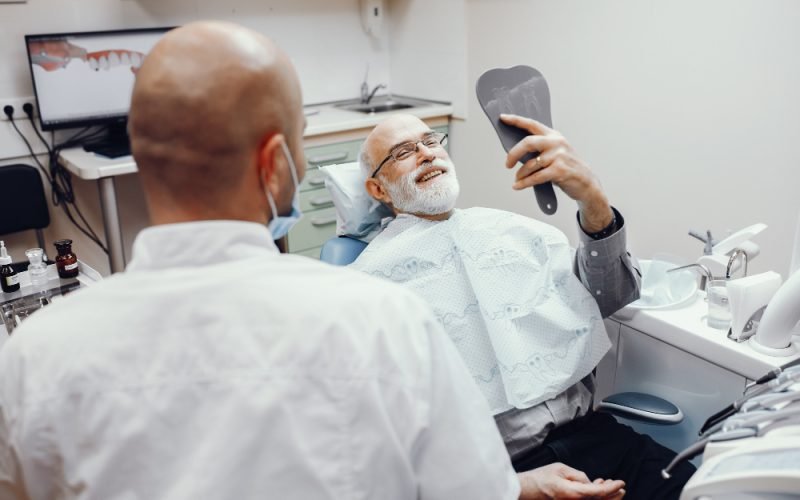
What Is Full Mouth Rehabilitation?
Full mouth rehabilitation is a dental treatment that restores all teeth in the mouth. This process is also known as full mouth reconstruction or complete smile restoration. Dentists use restorative dentistry to fix teeth, gums, and bite. As a result, your mouth can look, feel, and work better. Often, people choose this treatment when they have many dental problems at once. For example, missing, broken, or worn-down teeth may need full mouth rehabilitation.
Who Needs Full Mouth Rehabilitation?
Not everyone needs this type of dental care. However, some people have many dental issues that affect their daily life. If you have several damaged or missing teeth, you may be a good candidate. In addition, people with long-term gum disease or bite problems may benefit. Sometimes, injuries or accidents cause damage that needs complete smile restoration. Even people with severe tooth wear from grinding may need help. Therefore, your dentist will check your mouth and discuss your needs.
Common Causes for Complete Smile Restoration
Many reasons can lead to the need for dental reconstruction. For instance, tooth decay and gum disease are common causes. But, other factors also play a role. Here are some typical reasons:
- Severe tooth decay or cavities
- Advanced gum disease (periodontitis)
- Broken, chipped, or cracked teeth from injury
- Missing teeth due to trauma or disease
- Worn teeth from grinding (bruxism)
- Jaw pain or bite problems
Because these issues can affect your health, full mouth rehabilitation may help restore comfort and function.
Symptoms and Signs Indicating the Need for Rehabilitation
Sometimes, it is hard to know when you need full mouth reconstruction. Still, certain signs may point to a problem. For example, you may notice:
- Frequent tooth pain or sensitivity
- Loose or shifting teeth
- Difficulty chewing or biting food
- Jaw pain or headaches
- Bleeding or swollen gums
- Changes in your bite or smile
Additionally, if you have trouble speaking or feel embarrassed by your teeth, talk to your dentist. Early care can prevent bigger problems later.
Diagnostic Process and Evaluation
First, your dentist will do a full exam of your mouth. This step helps find all dental issues. Next, X-rays and digital scans may be used to see your teeth and jaw. Sometimes, models of your teeth help plan treatment. Your dentist will also ask about your health and dental history. Because every mouth is different, your treatment plan will be unique to you. According to the American Dental Association, a careful exam is key for safe and effective care.
Treatment Options and Procedures
Full mouth rehabilitation uses many dental treatments. Your dentist will choose the best options for your needs. Common procedures include:
- Dental crowns to cover and protect damaged teeth
- Bridges or dental implants to replace missing teeth
- Fillings or inlays to fix cavities
- Root canal therapy for infected teeth
- Gum treatments to stop disease
- Braces or aligners to correct bite problems
- Veneers for a better smile
Because each case is different, your dentist may combine several treatments. Full mouth rehabilitation in your city can often be done in stages for comfort and safety.
Benefits of Full Mouth Rehabilitation
Many people see big improvements after complete smile restoration. For example, you may notice:
- Better chewing and speaking
- Less pain or discomfort
- Healthier gums and teeth
- A more confident smile
- Improved overall health
In fact, studies from the CDC show that good oral health supports your whole body. Therefore, full mouth rehabilitation can boost both your smile and your well-being.
Recovery and Aftercare Tips
After treatment, you will need to care for your new smile. Your dentist will give you special instructions. For example, you may need to eat soft foods at first. Also, brushing and flossing every day is important. Regular dental visits help keep your mouth healthy. If you have dental implants or crowns, avoid biting hard objects. Because healing times vary, follow your dentist’s advice closely. Good care helps your dental reconstruction last longer.
Preventing Future Dental Problems
Once your mouth is restored, it is important to protect your teeth. You can lower your risk of new problems by:
- Brushing twice a day with fluoride toothpaste
- Flossing daily to clean between teeth
- Eating a balanced diet with less sugar
- Wearing a mouthguard if you grind your teeth
- Visiting your dentist every six months
Because prevention is key, these habits can help you keep your smile healthy for years to come. Book an Appointment at OrcaDent Multi Speciality Dental Clinic