
Relieve Jaw Pain and Improve Jaw Function
Relieve jaw pain and TMD discomfort with personalized care designed to restore smooth jaw function and long-term oral health.
- Detailed Jaw and Dental Assessment
- Personalised TMD Treatment Planning
- Care for Jaw Pain and Discomfort
TMD Treatment
Understand and Manage
Temporomandibular Joint Disorders
Temporomandibular joint disorders (TMD) affect the jaw joints, muscles, and surrounding structures, causing pain, clicking, restricted movement, facial discomfort, or bite changes. Triggers include teeth grinding, jaw strain, dental issues, injury, and stress. Following a thorough evaluation of your symptoms and jaw movement, your dentist will recommend personalized treatment to relieve discomfort, reduce strain, and restore proper function.
Why Seek TMD Treatment?
When Treatment for TMD May Be Recommended
TMD treatment may be recommended when jaw symptoms affect comfort, movement, chewing or daily activities.
Relieve Jaw Pain
Treatment may help manage discomfort in the jaw joints, chewing muscles, face or surrounding areas.
Reduce Jaw Stiffness
Appropriate care can support improved jaw movement when stiffness or restricted opening is present.
Manage Clicking or Popping
Jaw sounds may be assessed to determine whether they are associated with joint or movement-related concerns.
Address Teeth Grinding and Clenching
Your dentist may recommend strategies to reduce the effects of grinding or clenching on the jaw joints and teeth.
Improve Chewing Comfort
TMD care may help improve comfort when chewing, speaking or opening the mouth.
Prevent Further Strain
Early assessment and suitable management may help reduce ongoing stress on the jaw joints, muscles and teeth.
Your Treatment Journey
TMD Assessment & Treatment Process
Your treatment plan depends on your symptoms, jaw function, dental health and the possible causes contributing to your condition.
Consultation & Symptom Review
Your dentist discusses your symptoms, their duration, possible triggers and any difficulties with chewing, speaking or opening your mouth.
Jaw and Dental Examination
The jaw joints, chewing muscles, teeth, bite and range of movement are carefully assessed for signs of strain, tenderness or functional changes.
Diagnostic Assessment
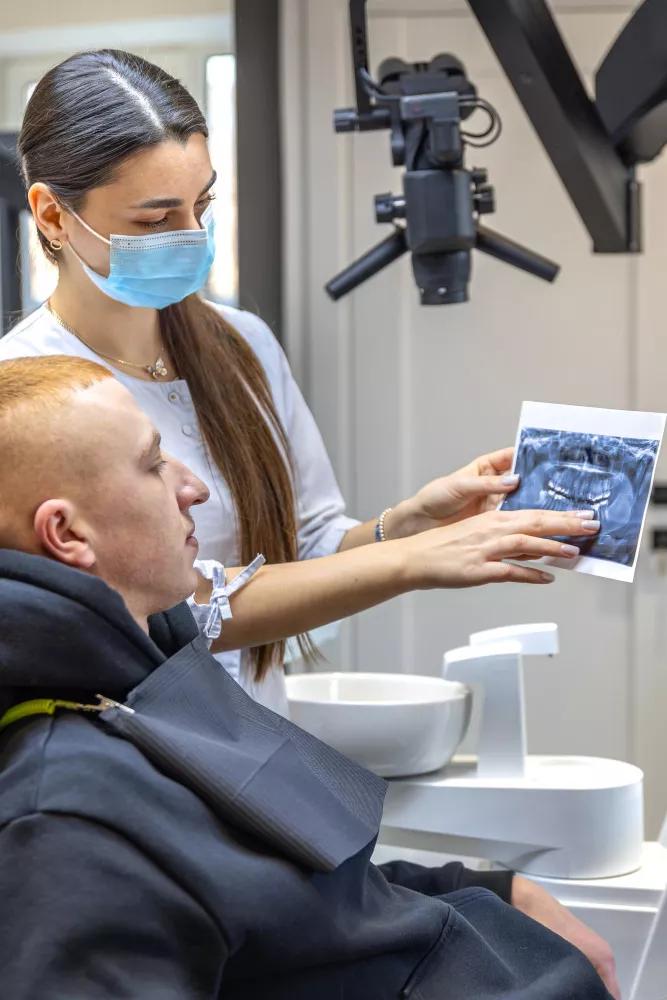
X-rays or other imaging and diagnostic procedures may be recommended when required to evaluate the jaw joints, teeth or surrounding structures.
Personalised Treatment Planning
Your dentist explains the findings and recommends suitable treatment options based on your symptoms and clinical needs.
Review & Ongoing Care
Your progress may be monitored through follow-up appointments, with treatment adjusted when necessary to support comfort and jaw function.
Treatment Options
Treatments for Different TMD Needs
The most appropriate treatment depends on the type, severity and possible cause of your jaw symptoms.
Conservative TMD Care
Initial treatment may include rest for the jaw, dietary adjustments, warm or cold compresses, gentle exercises and advice on reducing habits that strain the jaw.
Occlusal Splints or Night Guards
A custom-made oral appliance may be recommended for selected patients who grind or clench their teeth. Your dentist will assess whether this option is suitable.
Bite and Dental Assessment
Your dentist may evaluate the way your teeth meet and identify dental factors that could be contributing to jaw discomfort or uneven pressure.
Management of Teeth Grinding
Guidance and treatment planning may help reduce the effects of clenching or grinding on the teeth, jaw muscles and temporomandibular joints.
Referral or Additional Treatment
Some TMD conditions may require referral to an appropriate specialist or additional care when symptoms are complex, persistent or associated with significant joint changes.
Who Can Benefit?
Who May Need TMD Treatment?
TMD assessment and treatment may be considered for people experiencing:
- Jaw joint pain or tenderness
- Facial pain associated with jaw movement
- Clicking, popping or grating sounds in the jaw
- Difficulty opening or closing the mouth
- Jaw stiffness or locking
- Pain when chewing, speaking or yawning
- Frequent headaches or discomfort around the temples
Is TMD Treatment Right for You?
Jaw pain can have different causes, and not every symptom is related to a temporomandibular joint disorder. Your dentist will assess your jaw joints, muscles, teeth and bite before recommending the most appropriate care.
After Your Procedure
Caring for Your Jaw and Oral Health
Following your dentist’s recommendations can help reduce strain on the jaw and support ongoing comfort.
01
Choose Softer Foods When Needed
If your jaw is painful or stiff, temporarily choosing softer foods may help reduce strain while symptoms are being managed.
02
Avoid Excessive Jaw Strain
Avoid chewing gum, biting hard objects, opening your mouth excessively or using your teeth to open packages.
03
Be Aware of Clenching
Try to notice daytime clenching and keep your jaw relaxed when you are not eating or speaking, unless otherwise advised by your dental team.
04
Attend Follow-Up Appointments
Regular reviews allow your dentist to monitor symptoms, assess jaw function and adjust your treatment plan when required.
Our Difference
Why Choose Us for TMD Treatment?
We provide careful assessment and personalised care focused on understanding the factors contributing to your jaw symptoms.
Detailed Diagnosis
A thorough examination helps evaluate your jaw joints, muscles, teeth, bite and symptoms before treatment is planned.
Personalised Treatment
Your care is tailored to your symptoms, jaw function, dental health and individual treatment needs.
Conservative Approach
Treatment begins with appropriate, minimally invasive options whenever clinically suitable. ♥
Ongoing Support
We monitor your progress and provide guidance to help you manage symptoms and protect your oral health.
Treatment Cost
Cost of TMD Treatment
The cost of TMD treatment varies depending on the complexity of your symptoms, diagnostic requirements, treatment approach, oral appliances, follow-up care and any additional dental or specialist treatment required.
A consultation and jaw assessment are recommended to understand your specific requirements and provide an appropriate cost estimate.
Common Questions
Frequently Asked Questions About TMD Treatment
Here are answers to some commonly asked questions about temporomandibular joint disorders and their treatment.
TMD refers to disorders affecting the temporomandibular joints, chewing muscles and related structures. It may cause jaw pain, stiffness, clicking, restricted movement or discomfort when chewing.
TMD can have several contributing factors, including teeth grinding or clenching, jaw strain, injury, stress, dental problems, changes in jaw function or joint-related conditions. In some cases, the exact cause may not be clear.
Symptoms may include jaw pain, facial discomfort, clicking or popping, difficulty opening the mouth, jaw locking, headaches, ear-area discomfort and pain when chewing or speaking.
Some mild or temporary jaw symptoms may improve with rest and simple self-care. Persistent, worsening or recurring symptoms should be assessed by a dentist.
A night guard or occlusal splint may be suitable for some patients, particularly those who grind or clench their teeth. Your dentist will assess whether an appliance is appropriate for your condition.
Take the First Step Towards Better Jaw Comfort
Don’t ignore persistent jaw pain, clicking, stiffness or difficulty chewing. Book a consultation to have your symptoms assessed and understand which TMD treatment options may be suitable for you.