
Restore Gum Health With Periodontal Surgery
Protect the foundation of your teeth with targeted periodontal surgery designed to treat advanced gum disease, manage recession, and restore tissue health.
Periodontal Surgery
Surgical Care for
Advanced Gum Conditions
Periodontal surgery is used to treat advanced gum disease and problems affecting the tissues supporting the teeth. Depending on the condition, it may help clean deeper areas, manage gum recession, reshape gum tissue and protect overall gum health.
Your dentist will assess your gums, bone support and periodontal condition before recommending the most suitable surgical treatment.
Why Choose Periodontal Surgery?
When Surgical Gum Treatment May Be Recommended
Periodontal surgery may be considered when advanced gum problems require more extensive treatment to protect the teeth and surrounding tissues.
Manage Advanced Gum Disease
Surgical periodontal treatment may help manage deeper infection and inflammation around the teeth when non-surgical treatment alone is insufficient.
Reduce Deep Gum Pockets
Certain procedures can provide better access to deep periodontal pockets so affected areas can be thoroughly cleaned and treated.
Treat Gum Recession
Gum grafting or related procedures may be recommended to cover exposed root surfaces and improve gum support in suitable cases.
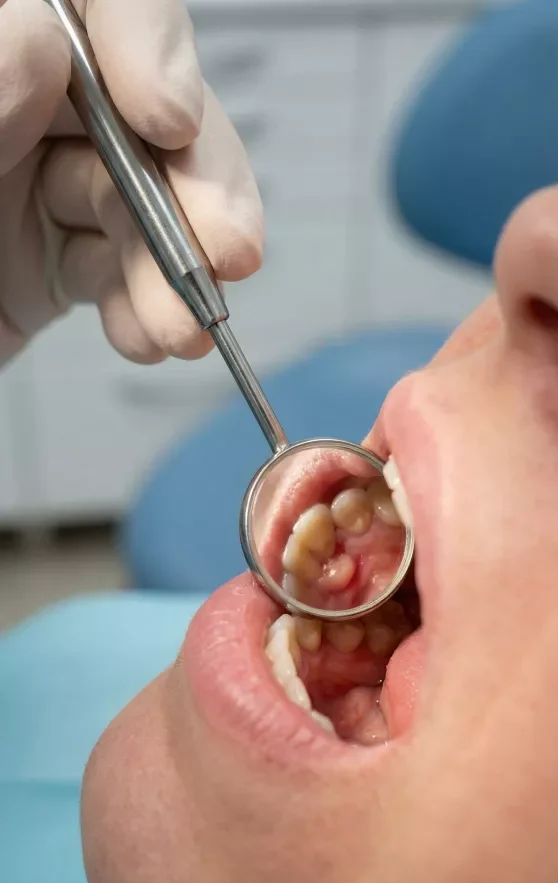
Support Tooth Stability
Managing periodontal disease can help protect the tissues and bone that support the teeth.
Improve Gum Contours
Selected periodontal procedures can reshape excess or uneven gum tissue to improve oral function and appearance.
Protect Long-Term Oral Health
Timely management of advanced periodontal disease may help reduce further deterioration of the gums and supporting structures.
Your Treatment Journey
Periodontal Surgery Process
The treatment process depends on the type and severity of gum disease, the areas affected and the specific periodontal procedure recommended.
Consultation & Gum Examination
Your dentist evaluates your gums and discusses symptoms such as bleeding, swelling, gum recession, tooth sensitivity or mobility.
Periodontal Assessment
Gum pocket measurements, dental X-rays and other diagnostic procedures may be recommended to assess the condition of the gums and supporting bone.
Treatment Planning
Your dentist determines whether periodontal surgery is required and explains the recommended procedure, expected recovery and aftercare.
Periodontal Procedure
The affected gum tissues are carefully treated according to the planned surgical approach. Local anaesthesia is commonly used to help maintain comfort during treatment.
Healing & Follow-Up
Follow-up appointments allow your dentist to monitor healing, assess gum health and provide guidance for maintaining the treated area.
Treatment Options
Periodontal Procedures for Different Gum Conditions
The appropriate periodontal procedure depends on the severity of gum disease, amount of gum recession, bone condition and individual oral health needs.
Flap Surgery / Pocket Reduction Surgery
This procedure allows the dentist to access deeper areas around the teeth to remove deposits and affected tissue before repositioning the gums.
Gum Grafting
Gum graft procedures may be recommended when gum recession has exposed part of the tooth root. Tissue is used to help cover and support the affected area.
Crown Lengthening
Crown lengthening involves reshaping gum tissue, and sometimes supporting bone, to expose more of the tooth structure when clinically required.
Gingivectomy
A gingivectomy involves carefully removing excess or diseased gum tissue to improve gum contours and provide better access for cleaning.
Regenerative Periodontal Procedures
In selected cases, regenerative techniques may be considered to support healing of periodontal tissues and bone affected by gum disease.
Who Can Benefit?
Who May Need Periodontal Surgery?
Periodontal surgery may be considered for people experiencing:
- Advanced gum disease or periodontitis
- Deep periodontal pockets
- Persistent gum inflammation
- Gum recession and exposed tooth roots
- Bone loss associated with periodontal disease
- Loose teeth related to loss of periodontal support
- Excess or uneven gum tissue
Is Periodontal Surgery Right for You?
Not every gum condition requires surgery. Mild to moderate periodontal problems may sometimes be managed with professional cleaning, scaling and root planing or other non-surgical treatments.
Your dentist will assess the severity of gum disease, pocket depth, gum recession, bone support and overall oral health before recommending the most appropriate treatment.
After Your Procedure
Caring for Your Gums After Periodontal Surgery
Proper aftercare can support healing and help maintain the results of periodontal treatment.
01
Follow Post-Treatment Instructions
Follow the specific instructions provided by your dental team regarding cleaning, eating and caring for the treated area.
02
Maintain Gentle Oral Hygiene
Keep your mouth clean while avoiding unnecessary pressure on the surgical area. Your dentist may recommend temporary changes to brushing or flossing.
03
Monitor Your Recovery
Some swelling, tenderness or mild discomfort may occur depending on the procedure. Contact your dentist if symptoms become severe, persistent or unexpected.
04
Attend Periodontal Maintenance Visits
Regular periodontal examinations and professional cleaning can help monitor gum health and reduce the risk of disease returning.
Our Difference
Why Choose Us for Periodontal Surgery?
We focus on carefully planned periodontal care designed to manage gum disease while protecting the teeth and supporting structures whenever clinically possible.
Detailed Periodontal Diagnosis
A thorough gum and dental examination helps determine the extent of periodontal disease before treatment is planned.
Personalised Surgical Planning
Each periodontal procedure is selected according to the patient's gum condition, bone support and individual treatment needs.
Tissue-Preserving Approach
Treatment is planned with consideration for preserving healthy gum tissue and supporting structures wherever appropriate.
Continued Periodontal Care
Follow-up appointments and periodontal maintenance help support healing and long-term gum health after treatment.
Treatment Cost
Cost of Periodontal Surgery
The cost of periodontal surgery varies depending on the type of procedure required, number of areas being treated, severity of gum disease, diagnostic requirements, materials used and whether additional periodontal or dental treatment is necessary.
A detailed periodontal consultation and examination are recommended to understand your specific condition and provide an appropriate treatment estimate.
Common Questions
Frequently Asked Questions About Periodontal Surgery
Here are answers to some commonly asked questions about periodontal surgery and gum treatment.
Periodontal surgery refers to surgical procedures used to treat certain conditions affecting the gums, periodontal tissues and supporting structures around the teeth.
Periodontal surgery may be recommended when gum disease is advanced, periodontal pockets are too deep for routine cleaning or when gum recession, tissue loss or other periodontal conditions require surgical management.
No. Many cases of gum disease can initially be managed using professional cleaning, scaling and root planing or other non-surgical periodontal treatments. Surgery is generally considered when additional treatment is required.
Flap surgery involves carefully lifting the gum tissue to provide access to deeper areas around the teeth so deposits and affected tissues can be treated before the gums are repositioned.
A gum graft is a periodontal procedure in which tissue is placed around an area of gum recession to help cover exposed root surfaces and improve gum support.
Protect Your Gums and Preserve Your Smile
Persistent gum bleeding, swelling, recession or loose teeth should not be ignored. Book a periodontal consultation to assess your gum health and understand whether surgical or non-surgical treatment may be appropriate.