
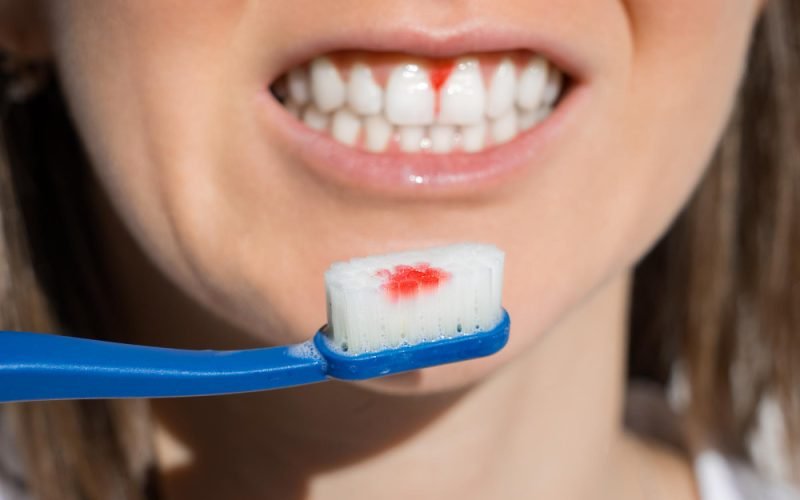
What Are Bleeding Gums While Brushing?
Bleeding gums while brushing can be a sign of gum problems. Sometimes, you may notice pink or red in the sink after brushing your teeth. Although this can seem minor, it may point to issues with your gum health. In many cases, bleeding gums while brushing can be prevented or treated. However, it is important to know what causes this and when to see a dentist for bleeding gums.
Common Causes of Bleeding Gums During Brushing
There are several reasons why your gums might bleed during brushing. Often, the cause is simple, but sometimes it can signal a bigger problem. For example, brushing too hard or using a hard-bristled toothbrush can hurt your gums. But, other causes may need more attention.
Symptoms to Watch For
Sometimes, bleeding gums are the only sign you notice. However, you may see other symptoms, too. For example, your gums may look red or swollen. In addition, you might notice bad breath or a bad taste in your mouth. These signs can help you spot gum problems early.
If you notice these symptoms along with bleeding gums while brushing, it is important to pay attention. Early action can help prevent more serious problems.
How Bleeding Gums Are Diagnosed
When you visit a dentist for bleeding gums, they will check your mouth carefully. First, they will ask about your brushing habits and any changes in your health. Next, they will look at your gums for redness, swelling, or bleeding. Sometimes, they may use a small tool to check for pockets between your teeth and gums. In some cases, X-rays may be needed to see if there is bone loss. This helps the dentist find out if you have gum disease or another cause.
Effective Treatments for Bleeding Gums
Treatments for bleeding gums depend on the cause. For mild cases, simple changes at home can help. However, if gum disease is present, your dentist may suggest more steps. Early treatment can stop further damage and improve gum health.
Prevention Tips for Healthy Gums
Keeping your gums healthy can help prevent bleeding gums while brushing. Good habits make a big difference. For example, brushing and flossing every day keeps plaque away. In addition, seeing your dentist regularly helps catch problems early.
Following these gum health tips can lower your risk of bleeding gums and other dental issues.
When to Seek Professional Dental Help
Sometimes, bleeding gums while brushing can be a sign you need to see a dentist. If your gums bleed often or do not get better after a week of good care, it is time to get help. Also, if you have pain, swelling, or loose teeth, make an appointment soon. In rare cases, bleeding gums can be linked to health problems like blood disorders. Therefore, it is important not to ignore ongoing symptoms. Your dentist can check your gums and suggest the right treatment to keep your mouth healthy.
Conclusion
If your gums bleed often or do not improve, do not wait. Schedule a visit with OrcaDent Multi Speciality Dental Clinic for a gentle checkup and expert care. Your healthy smile starts with healthy gums.