
Introduction
Invisible aligners are clear, removable trays that help straighten teeth. Many people wonder, “Invisible Aligners: When Are They Required?” These aligners are a popular choice for those who want a discreet way to fix their smile. In this blog, we will explain what invisible aligners are, how they work, and when you might need them. We will also cover their benefits, who should avoid them, and how to care for them. If you are thinking about clear aligner treatment, this guide will help you decide if it is right for you.
What Are Invisible Aligners?
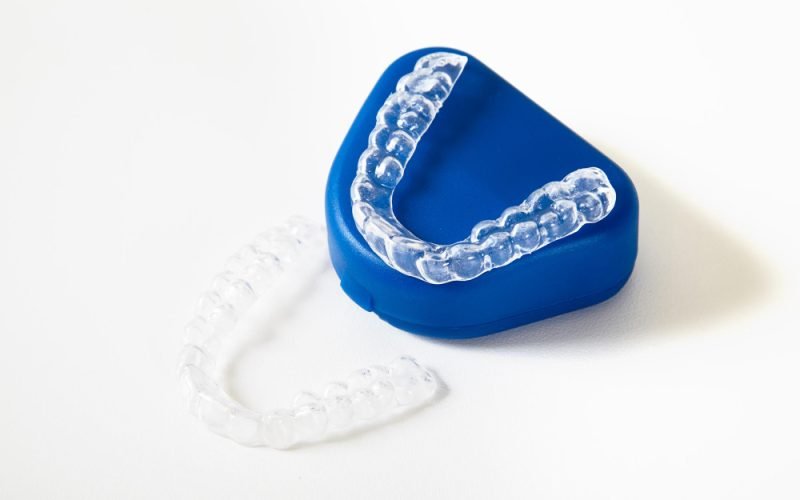
Invisible aligners, sometimes called clear aligners or invisible braces, are custom-made plastic trays. They fit snugly over your teeth. Unlike metal braces, they are nearly invisible. You can remove them when eating or brushing. Many people choose them because they are less noticeable than traditional braces.
- Made from clear, strong plastic
- Custom-fit for each person
- Removable for meals and cleaning
- Used to treat mild to moderate teeth alignment problems
How Do Invisible Aligners Work?
First, your dentist or orthodontist takes a scan or mold of your teeth. Then, a series of aligners is made just for you. Each set of trays moves your teeth a little at a time. Usually, you wear each set for about two weeks. After that, you switch to the next set. Over time, your teeth slowly move into the right position. Most people wear aligners for 12 to 18 months, but this can vary.
When Are Invisible Aligners Required?
Invisible aligners are not for everyone. However, they are a good choice for many people with mild to moderate teeth problems. You may need invisible aligners if you have:
- Crooked or crowded teeth
- Small gaps between teeth
- Minor bite problems, such as overbite or underbite
- Relapsed teeth after past braces treatment
For example, if you want to fix your smile without metal braces, clear aligner treatment may be right for you. The best age for invisible aligners is usually teens and adults. Children may not be good candidates because their teeth and jaws are still growing. Always talk to your dentist to see if you meet the invisible braces requirements.
Benefits of Invisible Aligners
There are many reasons people choose invisible aligners. Some of the main benefits include:
- Almost invisible, so most people will not notice them
- Removable, making it easy to eat and clean your teeth
- More comfortable than metal braces, with no wires or brackets
- Fewer dental visits needed compared to traditional braces
- Can improve your smile and boost your confidence
Additionally, invisible aligners can fit into most lifestyles with ease.
Who Is Not a Candidate for Invisible Aligners?
While invisible aligners work well for many, they are not for everyone. You may not be a good candidate if you have:
- Severe bite problems or large gaps
- Teeth that need to be moved a lot
- Unhealthy gums or untreated cavities
- Difficulty wearing aligners for 20–22 hours a day
In some cases, traditional braces or other treatments may be better. Your dentist will help you choose the best option.
Steps to Get Invisible Aligners
Getting invisible aligners is a simple process. Here are the usual steps:
- Consult a dentist or orthodontist for an exam
- Get a scan or mold of your teeth
- Review your custom treatment plan
- Receive your first set of aligners
- Wear aligners as directed, changing sets every 1–2 weeks
- Visit your dentist for regular check-ups
- Finish treatment and use retainers to keep your new smile
Each step is important for the best results.
Care and Maintenance Tips
To keep your aligners clean and working well, follow these tips:
- Remove aligners before eating or drinking anything but water
- Brush and rinse aligners daily with lukewarm water
- Brush your teeth before putting aligners back in
- Store aligners in their case when not in use
- Avoid hot water, which can warp the plastic
With good care, your aligners will stay clear and effective.
Potential Risks and Side Effects
Although invisible aligners are safe for most people, there can be some risks. Common side effects include:
- Sore teeth or gums, especially at first
- Minor speech changes, which usually go away quickly
- Lost or broken aligners if not handled carefully
- Tooth decay or gum problems if you do not keep teeth and aligners clean
However, most side effects are mild and temporary. If you have pain or other problems, contact your dentist right away. The American Dental Association recommends regular check-ups during treatment.
Frequently Asked Questions
- How long does clear aligner treatment take?
- Most people finish in 12 to 18 months, but it depends on your teeth.
- What is the best age for invisible aligners?
- Teens and adults are usually the best candidates. Children may need to wait until their teeth stop growing.
- Can I eat with invisible aligners?
- No, you should remove them when eating or drinking anything except water.
- Are invisible aligners painful?
- You may feel mild soreness at first, but it usually goes away in a few days.
- Do I need to wear a retainer after treatment?
- Yes, wearing a retainer helps keep your teeth in their new position.
Conclusion
Invisible aligners can be a great way to straighten your teeth without metal braces. They are best for mild to moderate alignment problems. However, not everyone is a good candidate. Consult dentist OrcaDent Multi Speciality Dental Clinic to find out if invisible aligners are right for you.